Your home should reflect your lifestyle, your taste, and the way you live each day. But if you’re living in a house built in the 1960s, 70s, or even 90s, it might not fully support your needs anymore. Maybe it feels dark and cramped. Maybe the layout is completely closed off from room to room. Or maybe it still has the original tile, cabinetry, or lighting that makes it feel stuck in a past decade. To modernize an older home is about more than just cosmetic updates.
If you’re ready to modernize an older home in the GTA, there’s a lot to consider, far more than just replacing a few finishes. Modernizing means improving the way your space flows, how it functions, and how it makes you feel day to day. It also means planning smart, efficient upgrades that make sense for your long-term comfort, energy bills, and resale value.
Modernizing is not about removing all the character or charm. It’s about striking the right balance between what’s worth keeping and what’s holding you back. From Mississauga and Etobicoke to Oakville and Brampton, we’ve helped homeowners transform dated houses into warm, functional, and truly livable spaces without sacrificing what makes them unique.
Here’s what you really need to know.
What Makes Older Homes Feel Outdated and How to Modernize Them
Every era has its design giveaways. Whether it’s a dropped bulkhead above the cabinets or honey oak everything, older homes have specific markers that stand out right away. The key to moving past a dated look is knowing what’s truly behind that feeling of “old.” It’s not always about how long ago the house was built, it’s about how well it matches current lifestyle needs.
Key Design Flaws That Make Older Homes Feel Dated
- Lack of natural light or poorly placed lighting
- Boxed-in rooms with narrow doorways or hallways
- Heavy finishes like dark woods, glossy tiles, or patterned linoleum
- Popcorn ceilings or decorative archways that break the visual flow
- Carpeting in areas that should be hard-surfaced
- Original electrical that doesn’t support today’s appliances or smart devices
- Inefficient insulation or old windows that let drafts in
Most homes in Mississauga, Etobicoke, and North York built in the 60s–90s share these issues. And while some updates can be surface-level, others require deeper planning to align your space with how you want to live.
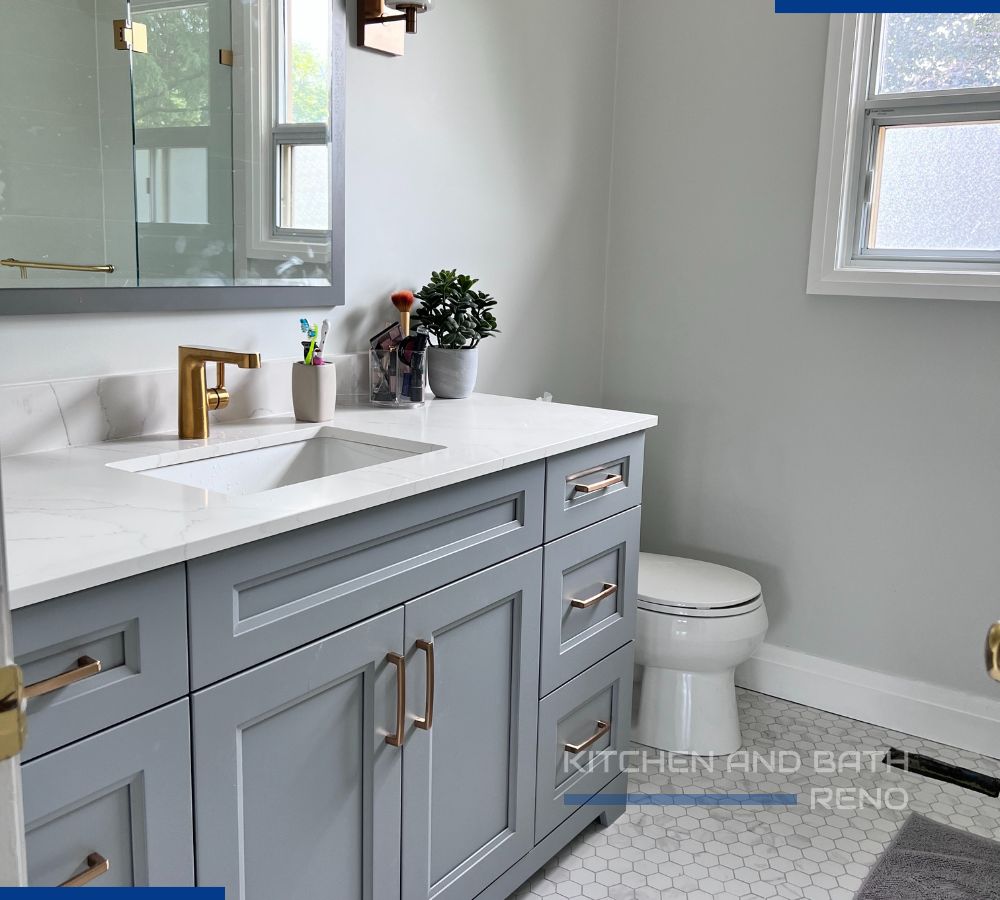
Modernize Home Interiors with Lighting, Fixtures, and Colors
Modernizing doesn’t always mean full construction. The goal is to create a space that feels clean, open, and intuitive to use. Even small upgrades can shift the entire feel of a room, especially when they’re layered together with intention. For homeowners considering a full home revamp in Mississauga, these thoughtful changes often form the foundation of a complete transformation that balances comfort, efficiency, and style.
Lighting is Everything
Old homes often suffer from poor lighting: one ceiling fixture in the middle of a room, or a dark corner that no one ever wants to use. Replacing a light isn’t enough. The placement, type, and temperature of lighting change everything.
- Add layers: Use recessed lights to eliminate shadows, under-cabinet lighting for workspaces, and pendant lights to highlight focal areas.
- Change the temperature: Cool white light feels sterile. Warm whites in the 2700–3000K range create a cozy, modern glow without feeling yellow.
- Avoid ornate fixtures: Brushed brass or matte black finishes in clean lines modernize a room instantly.
Hardware and Fixtures That Quietly Update Everything
In a lot of older homes, the cabinet doors are still functional, but the hardware makes the whole room feel dated. Swapping outdated handles for a flat bar pull or a matte knob brings an immediate sense of polish. Do the same for faucets, towel racks, and door hardware. Consistency across rooms matters more than people think.
Colour and Texture Balance
Older homes often lean heavily into glossy finishes, saturated tones, and shiny metals. That makes everything reflect light in harsh ways. A modern interior feels softer and more tactile.
- Use matte finishes on walls, tile, and cabinetry
- Choose neutral colour palettes grounded in soft greys, warm beiges, or off-whites
- Introduce contrast through wood tones or black hardware, not pattern overload
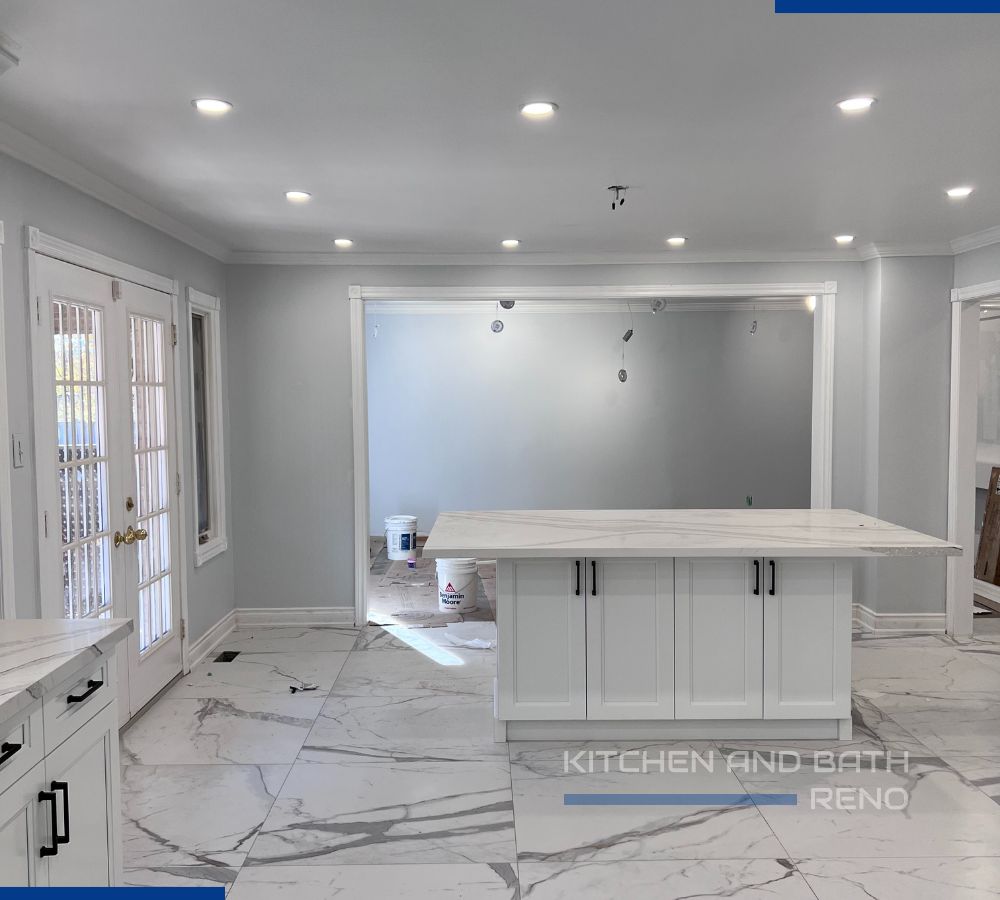
Improve Layout and Flow to Modernize Older Homes
Older homes were designed around a different lifestyle. Smaller kitchens were tucked away. Living rooms were separate from dining rooms. Basements were often unfinished or segmented. Today’s homeowners want a space that flows, from prepping dinner to helping kids with homework at the island. In fact, upgrading your kitchen can increase ROI significantly, especially when layout and functionality are improved with resale in mind.
That doesn’t mean you need to knock down every wall.
Reworking the Flow Without Going Fully Open Concept
We’ve worked on countless homes where removing just part of a wall opened up the entire space visually and functionally. Instead of blowing out your entire main floor, consider:
- Widening doorways to create a visual connection
- Removing half walls or dated arches
- Using consistent flooring across rooms to connect them
- Shifting appliance or furniture placement to encourage better traffic flow
Modernize Homes By Solving Storage in Tight Layouts
One of the biggest issues in older homes is a lack of usable storage. Upper cabinets are too shallow, pantry space is nonexistent, and closets are awkward. Instead of adding bulky cabinetry, we often recommend:
- Deep drawers below counters to replace lower cabinets
- Pull-out vertical storage for spices or cleaning supplies
- Built-in benches or banquettes with hidden compartments
- Tall pantry cabinets that reach the ceiling to take advantage of vertical space
Making the Old Home New Again With Smart Upgrades
Modernizing an older home also means improving its long-term performance. The smartest upgrades are the ones that pay you back in comfort, energy savings, and daily convenience.
Efficient Windows and Insulation
Many older homes in Mississauga, Oakville, and Toronto were built without today’s building codes in mind. That means poor seals, thin insulation, and high utility bills.
- Replace windows with ENERGY STAR-rated models
- Add insulation to exterior walls or attics if accessible
- Use insulated entry doors that match your style
These upgrades are especially important if you’re planning to improve resale value in a competitive GTA market.
Smart Features That Work With Existing Structures
You don’t need to gut your home to go modern. Smart thermostats, dimmer switches, motion-activated lighting, and under-cabinet sensors are easy wins that don’t require a full system overhaul. We often integrate these features even in homes with older wiring systems by updating panels or working room by room.
Modern Appliances in Classic Kitchens
New appliances are often deeper, taller, and wider than their predecessors. In older kitchens, this can create awkward gaps or cramped layouts. Custom cabinetry modifications, integrated appliances, and strategic layout tweaks make all the difference. When planning a kitchen upgrade in Mississauga, we always prioritize appliance placement first, and everything else works around that to ensure optimal function and flow.
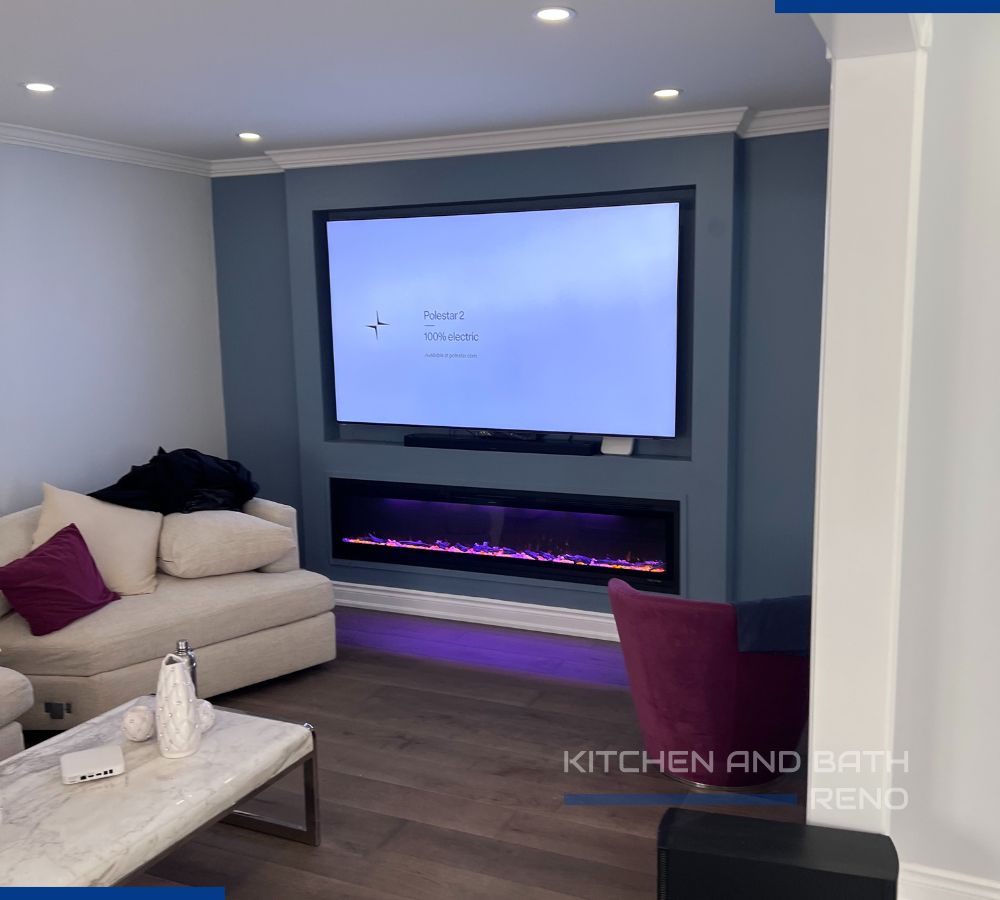
Balancing Charm and Comfort When You Modernize an Older Home
One of the biggest mistakes people make when modernizing is stripping away all the charm. The goal isn’t to erase the past, it’s to edit it with care.
Keep the things that give your home identity:
- Crown moulding in good condition can be painted and kept
- Vintage hardwood can be refinished to match a modern palette
- Classic arches can be squared off, but sometimes they add just enough curve to balance clean lines
Avoid going so modern that it feels out of place. A modern home should feel timeless, not trendy. We design with that in mind.
Start Today to Modernize Your Home in the GTA
To modernize an older home is about much more than aesthetics. It’s about reshaping how your space supports your lifestyle. It’s about comfort, efficiency, and letting every part of your house work for you, not against you.
When we take on a project like this at Kitchen and Bath Reno, we bring everything together: smart design, construction expertise, energy efficiency, and real-world layout planning. From full home transformations to room-by-room updates, we’ve helped GTA homeowners make homes they love out of houses that just needed the right touch.
If you’re living in a space that doesn’t quite fit anymore, the good news is you don’t have to start from scratch. You just have to start with the right plan.
Most Common Questions About Updating Homes
Is it safe to open up walls in older homes?
It depends on whether the wall is load-bearing and how the structure was built. Many GTA homes have good bones, but it takes a skilled contractor and proper permitting to make changes safely.
What about electrical and plumbing upgrades in the reno process?
If your home still has knob-and-tube wiring or galvanized plumbing, it’s time for an upgrade. We handle these behind-the-wall updates as part of full home transformations so you’re not just making things look better, but safer too.
Can I keep some of the old materials?
Absolutely. We’ve refinished solid wood floors, repurposed vintage cabinetry with new hardware, and blended original stone with contemporary tile. It’s all about thoughtful integration.
Will modernizing homes in the GTA improve resale value?
Buyers in the GTA are looking for homes that feel current, efficient, and well-cared for. Modernizing a dated home, especially kitchens, bathrooms, and living areas, is one of the best investments you can make.