Choosing a kitchen layout is one of the most important, and often most overwhelming, decisions a homeowner makes during a renovation. It’s not just about where things go. It’s about how your family moves, cooks, eats, and lives every single day. The right layout can turn a cramped space into a functional hub. The wrong one can leave you bumping into corners, regretting appliance placements, and wondering why your brand-new kitchen still doesn’t feel quite right.
At Kitchen and Bath Reno, we’ve worked with homeowners across Toronto, Mississauga, Oakville, and throughout the GTA who’ve come to us with the same struggle: “We’re renovating, but we’re not sure what layout is right for our space.” Some are dealing with tight urban kitchens. Others are opening up older homes. Some are building new and have a blank slate, but no clear idea of how to make the kitchen feel purposeful and comfortable. This guide walks you through everything you need to know about the three most popular kitchen layout types, single wall, L-shaped, and U-shaped, and helps you figure out what will work best for your home and your life.
What Is a Kitchen Layout and Why It Matters More Than You Think
Before you start picking cabinet colors, backsplash tiles, or even appliances, you need to know how the space will function. Your kitchen layout is the framework that supports every other design choice. It affects how much storage you’ll have, whether you can comfortably cook with someone else, how well your appliances fit, and how your kitchen flows with the rest of your home.
One of the most common pain points we hear is, “My kitchen looks beautiful, but it’s just not comfortable to use.” That almost always traces back to a layout that doesn’t match the homeowner’s lifestyle. Good design starts with good structure, and your layout is where that structure begins. If you’re considering upgrading your kitchen, start by rethinking the layout, not just the finishes.
The Kitchen Work Triangle Still Matters
Even with today’s open-concept trends and modern layouts, the old rule of the kitchen work triangle still plays a role. This concept connects your sink, fridge, and cooktop in a triangle formation to reduce steps and create better flow. While not every layout can follow this perfectly, especially in smaller or narrow kitchens, understanding it helps ensure you don’t spend your time zigzagging around your space.
Understanding Each Layout Type
Let’s break down how each kitchen layout works, and more importantly, how it feels to live with each one. These are the kinds of questions our clients ask when choosing their layout:
- Will I have enough counter space for food prep?
- Can I open the dishwasher without blocking a walkway?
- Where will the kids sit when I’m cooking?
- Will this layout work for hosting friends and family?
Single-Wall Kitchen Layout: Ideal for Condos and Narrow Spaces
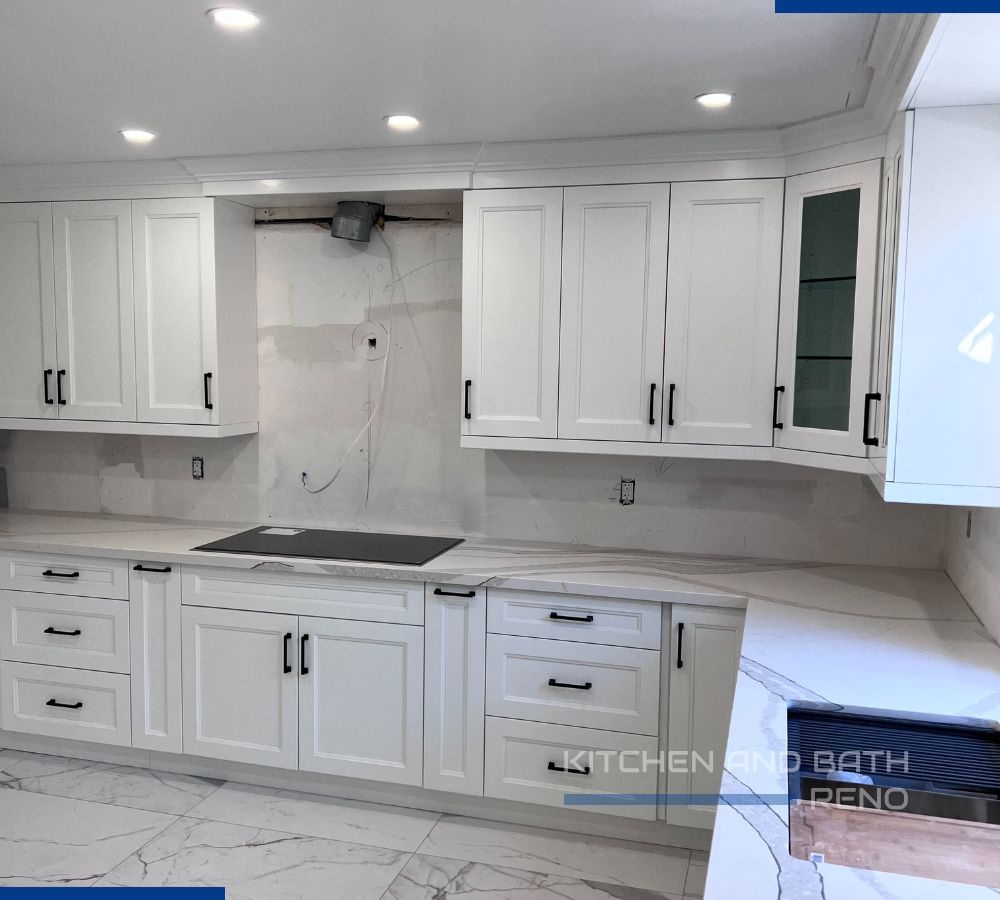
This layout places all appliances, counters, and cabinets on a single wall. It’s the most compact layout and is commonly used in condos or smaller homes, especially in Toronto where space is at a premium.
What works well:
- Great for narrow spaces and open-concept condos
- Simplifies plumbing and electrical
- Clean, modern appearance
- Budget-friendly
What to watch out for:
- Limited prep space
- Often lacks functional zones
- Can feel tight when more than one person is using it
- Workflow can suffer without additional features like a movable island
For homeowners in tight downtown footprints or those renovating on a budget, a single wall kitchen can be made more functional with floor-to-ceiling cabinetry, open shelving, and thoughtful appliance sizing. If you’re dealing with a narrow space but still want style and usability, this layout can absolutely be made to work with the right design support.
L-Shaped Kitchen Layout: A Smart Fit for Open-Concept Living
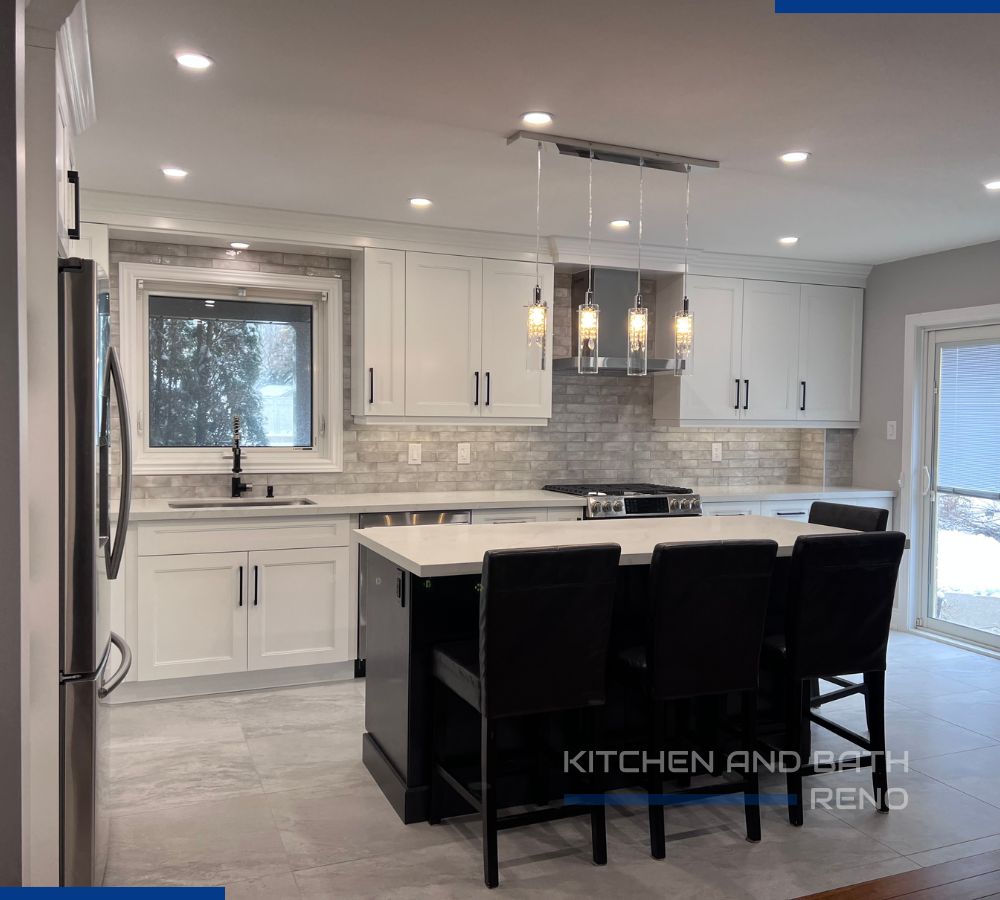
L-shaped kitchens use two adjoining walls to create a natural corner, often opening up into a dining or living area. This is one of the most versatile and popular layouts in homes across Mississauga and Oakville.
What works well:
- Fits both small and medium-sized kitchens
- Leaves space for an island or dining table
- Works well in open-concept layouts
- Creates natural zones for prep, cooking, and cleanup
What to watch out for:
- Corner cabinets need smart storage solutions
- Appliance placement needs to be balanced for efficiency
- Islands need enough clearance on all sides
This layout is ideal for homeowners who want their kitchen to feel connected to the rest of the home. It suits families, entertainers, and anyone who wants flexibility without sacrificing functionality. Adding a central island or peninsula can make this layout even more dynamic, offering additional prep space and informal seating.
If you’re struggling with how to make the most of your space while keeping it open and comfortable, the L-shaped layout might offer the best balance. For more tips on maximizing function in this kind of layout, take a look at our guide on must-have kitchen accessories.
U-Shaped Kitchen Layout: When You Need Maximum Storage and Flow
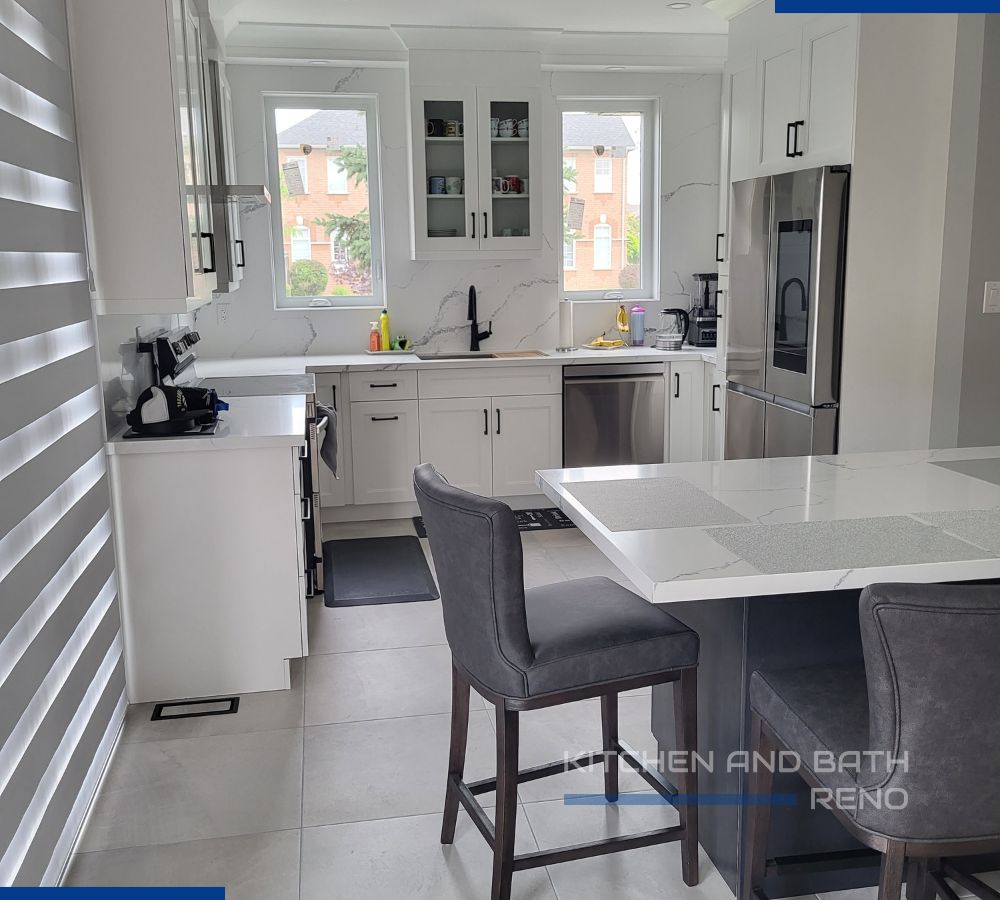
A U-shaped kitchen surrounds the cook on three sides, offering the most counter space and storage out of the three main layouts. These are often found in larger homes or homes with separate kitchen rooms.
What works well:
- Ideal for dedicated cooking spaces
- Maximizes counter and cabinet space
- Efficient for solo cooks or multi-tasking
- Naturally supports a strong work triangle
What to watch out for:
- Can feel enclosed in smaller spaces
- Needs careful lighting and material choices to avoid feeling heavy
- May not leave space for an island
In many Oakville homes, we see U-shaped layouts adapted to include peninsulas or partial openings to dining rooms. This helps reduce the closed-in feeling while still keeping the practical storage and zoning that make this layout so functional. If you have the space and want a kitchen that feels professional, efficient, and organized, a U-shape is worth strong consideration.
Our post on selecting timeless kitchen cabinets can help guide finish selections that make U-shaped kitchens feel spacious and inviting.
How to Choose a Kitchen Layout That Matches Your Real Life
Many homeowners feel stuck when trying to decide on a layout. Some floor plans look great online but don’t work in a real, lived-in space. The right kitchen layout depends on your family’s habits, your home’s structure, and how you use the kitchen every day.
Here’s how to think it through:
Do You Cook Alone or With Others? Layout Should Match Your Flow
Older homes in Toronto or Brampton often have structural walls that limit how much you can open up. Newer homes in Mississauga, Oakville, or Vaughan may give you more room to expand. Whether you cook solo or with family, the key is to avoid bottlenecks. You don’t want to be side-stepping people while carrying hot pans.
Pay Attention to How You Move Around the Space
Think about your everyday routine. Are you walking across the kitchen just to get from the fridge to the stove? Are you always opening drawers near high-traffic zones? These frustrations add up. A good layout creates natural paths and keeps prep, cook, and clean-up zones easy to access, without crowding.
Decide How Open You Want the Kitchen to Be
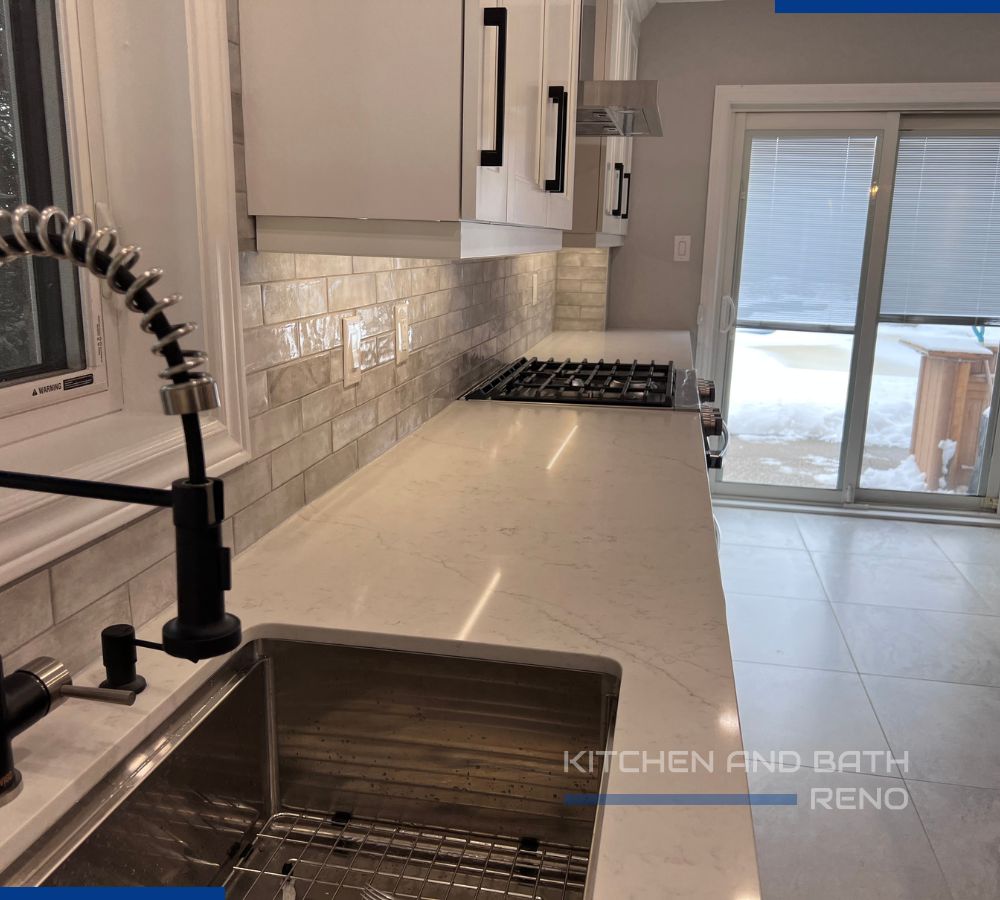
Some families love the idea of a kitchen that flows into the dining or living room. Others want the space to be a bit more private. L-shaped layouts work well if you want a semi-open feel. U-shaped kitchens create more definition while still feeling connected. If you’re planning any structural changes, make sure to review your city’s building rules. You can start with the City of Toronto’s permit guide.
Think Long-Term, Not Just for Right Now
Are you planning to grow your family, entertain more, or eventually sell the home? Your layout should support those goals. Prioritize flexible zones, seating areas that can evolve, and smart storage options. If you’re unsure how much to invest in layout changes, this guide on where to splurge or save in a remodel can help you make the right call.
Kitchen Design Trends That Are Helping in 2025
We’re seeing more layouts evolve in subtle ways to support how people really live:
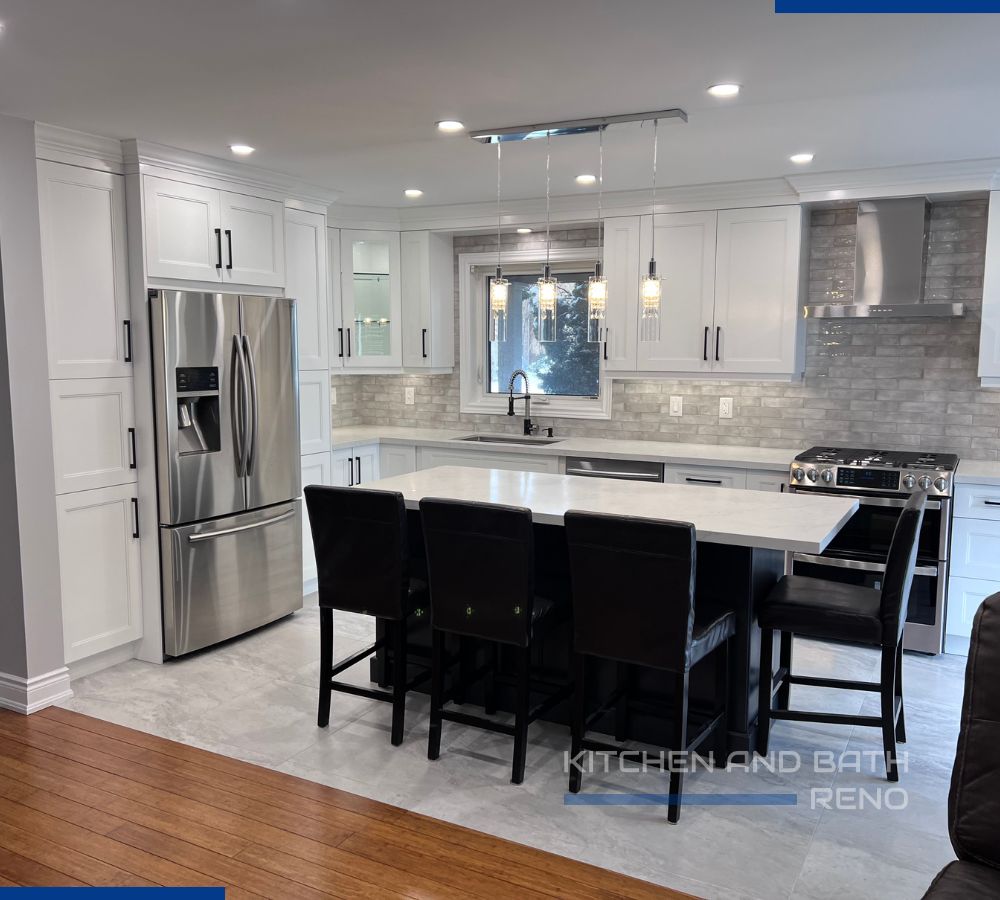
- L-shaped kitchens that incorporate large multi-purpose islands with integrated storage and seating
- U-shaped layouts that open up into family rooms or include wide pass-throughs
- Single-wall kitchens enhanced with tall pantry walls and slim-profile appliances
- Interest in secondary prep zones, hidden appliance garages, and built-in coffee stations
Homeowners are looking for kitchens that feel custom, personal, and hard-working. And they’re expecting more from their layout than just pretty cabinets. They want it to support daily routines, occasional hosting, and years of use without regrets.
Ready to Start Planning Your New Kitchen Layout?
Choosing the right kitchen layout is about more than just the shape of the room. It’s about how your space supports your life. Whether you’re remodeling a tight Toronto condo, updating a 90s kitchen in Mississauga, or building your dream home in Oakville, we can help you design a layout that feels natural, efficient, and worth the investment.
Not sure where to start? We’ll help you figure out what works with your home, your needs, and your budget. Because at Kitchen and Bath Reno, every great kitchen starts with the right layout, and every smart layout starts with a conversation.