Frameless vs framed shower: the short version is that frameless glass tends to look cleaner and carries a pricier feel, while a framed enclosure is generally the more forgiving and often lower-cost option for containing water. Neither answer is wrong. The right one depends on your bathroom’s layout, your budget, and how much upkeep you actually want to sign up for once your bathroom renovation is finished.
Here is the fuller comparison, so you are choosing based on how the shower will actually perform in your bathroom, not just how it looks in a showroom photo.
Frameless vs framed shower: The bottom line
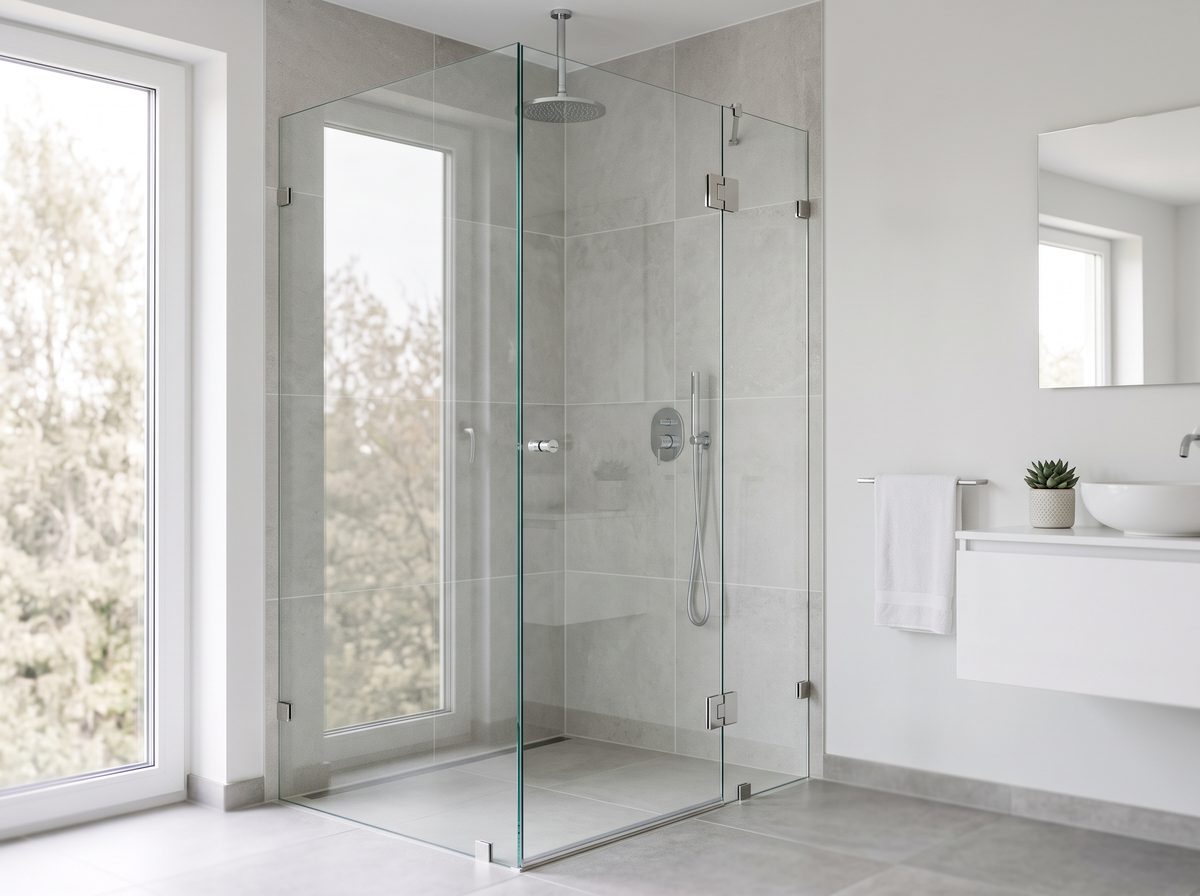
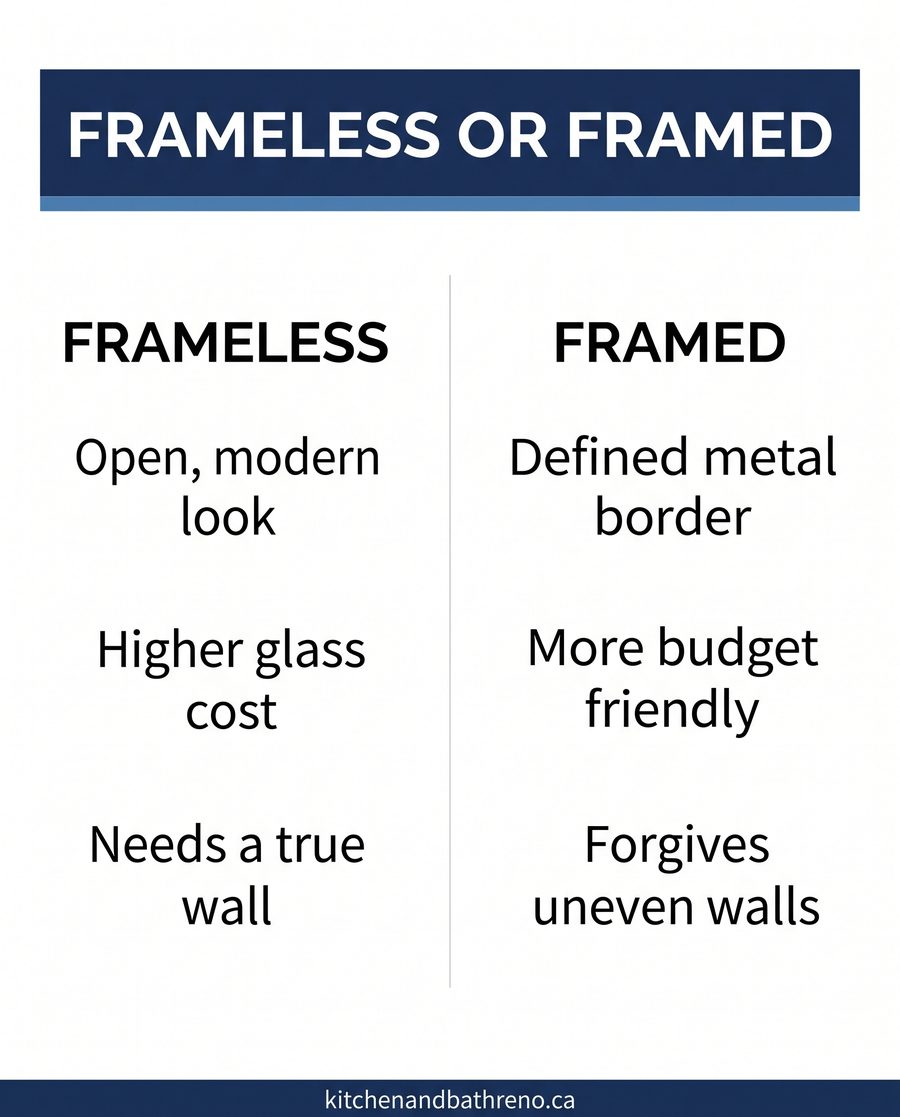
Frameless vs framed shower enclosures come down to a tradeoff between visual openness and forgiveness. Frameless glass has no metal border interrupting the view, which tends to make a bathroom feel larger and more current. Framed enclosures use a metal perimeter that seals gaps more forgivingly, which tends to cost less and contain water a bit more reliably on an uneven or older wall.
Quick Take
If your bathroom is newer, walls are true and square, and budget is less of a constraint than look and feel, frameless usually wins. If you are working with an older wall, a tighter budget, or want the simplest possible water seal, framed is usually the more practical call.
What frameless actually means
A frameless shower uses thicker tempered glass, generally held in place by minimal hardware such as hinges, a header bar or clips, rather than a full metal frame around every edge. The extra glass thickness is what allows it to stand on its own without a frame for support, and it is also why frameless enclosures tend to cost more than framed ones for a comparable size.
Because there is no frame to hide a slightly uneven wall or floor, frameless installations generally ask more of the surface they are being fitted to. A wall that is out of plumb or a curb that is not quite level shows up more clearly without a frame to visually and physically absorb the gap.
What framed actually means
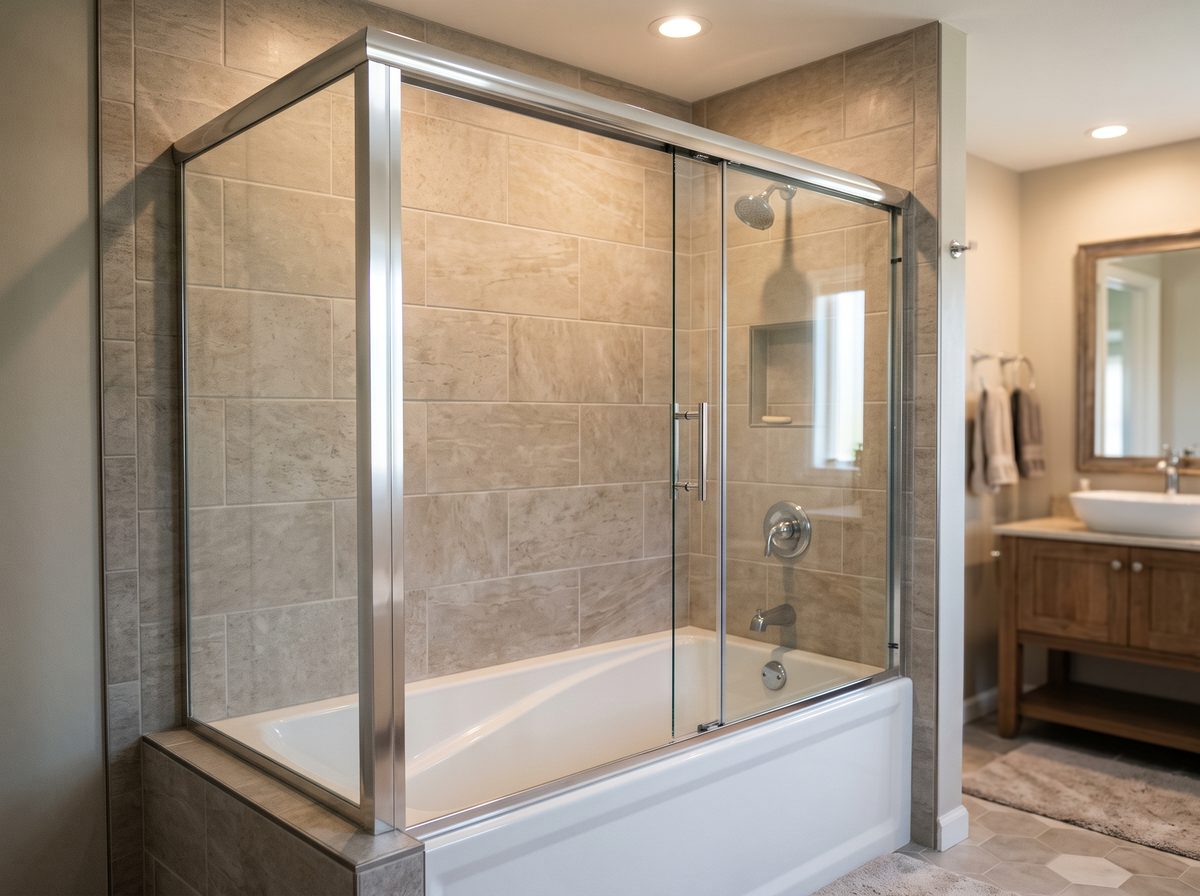
A framed shower uses thinner tempered glass set inside a metal perimeter, usually aluminum with a finish such as chrome, brushed nickel or matte black. That metal frame does the structural work the thicker glass does in a frameless setup, which is why the glass itself can be thinner and generally less costly. The frame also does useful sealing work, since rubber gaskets and channel strips built into it help direct water back into the shower.
The visual tradeoff is a visible metal border around the glass, which some homeowners like as a defined, classic look and others find dates a newly renovated bathroom faster than frameless does.
People Often Ask
Does frameless glass leak more than framed? Not inherently, but it depends more heavily on a precise installation, since there is less hardware to compensate for a small gap. A well installed frameless enclosure and a well installed framed one should both contain water reliably.
Decision matrix: Which one fits your bathroom
Match your priorities against the two options directly, rather than choosing on looks alone.
| What matters to you | Frameless | Framed |
|---|---|---|
| Visual openness in a small bathroom | Generally the stronger choice | Metal border reads more enclosed |
| Budget for the enclosure | Typically the higher cost of the two | Generally the more budget-friendly option |
| An older or slightly uneven wall | Asks more of a precise, true installation | Frame tends to forgive small gaps more easily |
| Water containment on a tricky layout | Relies on precise glass placement and seals | Frame channels and gaskets add a margin |
| Long-term style flexibility | Reads current across more design styles | Frame finish can feel dated sooner |
If you are still weighing the enclosure against the shower type itself, our comparison of walk in showers against bathtubs is worth reading before you settle on glass.
Cleaning and maintenance differences
Frameless glass is generally easier to keep clean day to day, since there is no metal channel for soap scum, hard water spots or mildew to collect in. A quick squeegee after each shower keeps most frameless glass looking clear with fairly little effort. Framed enclosures have more surfaces, including the frame itself and the channel at the base, where residue and mold can build up over time, which usually means a bit more scrubbing during a regular cleaning routine.
Our guide to choosing the right shower setup covers fixtures and layout alongside the enclosure decision, since the two tend to get planned together.
Safety glass and what to ask before you order
Shower enclosures are a wet-area glazing application, and safety glass standards generally apply to glass used in these settings in Canada. CSA Group maintains standards covering safety and tempered glass used in buildings, which is a reasonable reference point when you are asking a supplier what type of glass they are quoting and whether it meets the applicable standard for a shower installation.
Ask specifically what glass type and thickness are being quoted, whether the supplier can confirm it meets applicable safety glazing requirements, and what the installation warranty covers, before you sign off on either a frameless or a framed enclosure.
Good to know
This overview of frameless vs framed shower glass is general information. Glazing requirements and product standards can change and vary by application, and this article is meant to help you ask better questions, not a specification for your shower. Confirm glass type, thickness and applicable standards with your supplier or contractor before you order.
Download the free quick guide
A printable worksheet for weighing frameless vs framed shower options across budget, upkeep and installation fit.
Frequently Asked Questions
Is frameless or framed glass better for water containment?
Choosing between frameless vs framed shower glass for water containment usually comes down to installation quality more than the glass type itself. Both can contain water reliably when installed correctly, so the difference is less about the glass type and more about installation precision. A framed enclosure’s channels and gaskets add a small margin for error on an uneven wall or floor, while frameless relies more on precise glass placement and sealant work. On a newer, square bathroom, either option should perform well. On an older or irregular layout, ask your installer directly which approach they recommend for your specific walls.
Why does frameless glass typically cost more than framed?
Frameless shower glass is thicker, since it has to stand on its own without a metal frame providing structural support, and thicker tempered glass costs more to produce and install. Framed enclosures use thinner glass supported by an aluminum perimeter, which is generally less expensive material paired with more affordable hardware. Installation labour can also run higher for frameless, since precise alignment matters more without a frame to cover small gaps.
Does a frameless shower make a small bathroom look bigger?
It often helps, since there is no metal border breaking up sightlines the way a framed enclosure’s perimeter does, which can make a compact bathroom read as more open. Layout, tile choice and lighting still do more of that work than the enclosure alone, so frameless glass is best thought of as one part of a broader plan for a small space rather than a single fix on its own.
How often does framed shower glass need to be resealed?
It varies by product, water quality and how well the frame’s gaskets and channels are maintained, so there is no single schedule that applies everywhere. Signs that resealing is due include water escaping past the frame during normal use or visible gaps in the channel gasket. Ask your installer what maintenance schedule they recommend for the specific frame and gasket system being installed in your bathroom.
Can I switch from a framed to a frameless shower without full renovation?
Sometimes, if the existing shower base, plumbing and wall condition are suitable, but it is not guaranteed and depends on your current layout. A frameless enclosure generally needs a wall and curb that are true and square, so an older or slightly uneven bathroom may need more prep work than a simple swap. A written assessment of your current shower is the most reliable way to know what the change would actually involve.
Frameless vs. framed shower is ultimately a question of what your wall can support cleanly, what your budget allows, and how much cleaning you want to do. Bring both options to your consultation rather than deciding from a photo, since seeing each one against your actual wall and lighting tends to settle the decision faster than any comparison article can.
Our design team fits both frameless and framed enclosures for bathrooms across Burlington, Oakville, and the Mississauga bathroom projects we complete every month. Book a design consultation at our showroom, and we will measure your space and show you both options side by side.